Get Electrical Panel Replacement
Electrical panel replacement services help property owners upgrade outdated or faulty panels to ensure safety, handle increased electrical demands, and support various renovation projects.
Electrical panel replacement is a common upgrade for property owners seeking to ensure their electrical systems are safe, reliable, and prepared for modern demands. Whether upgrading an aging panel, addressing frequent circuit issues, or planning for new appliances and technology, exploring local contractor options can help find the right solution. Property owners in the area often consider this work to enhance safety, improve energy efficiency, or support future expansion, making it an important step in maintaining a well-functioning property.
If you're considering an electrical panel replacement, it’s helpful to compare local service providers who specialize in this type of work. Evaluating different options allows property owners to find experienced contractors capable of handling the project with attention to quality and safety standards. Continuing to read can provide valuable insights into planning your project and connecting with trusted local professionals who can assist with your electrical needs.
- Electrical Panel Replacement - needed when an outdated or damaged panel no longer meets the electrical demands of a property.
- Electrical Panel Upgrade - required to support new appliances, added circuits, or increased power needs in a home or business.
- Circuit Breaker Panel Replacement - necessary if circuit breakers frequently trip or fail to protect wiring properly.
- Main Electrical Panel Replacement - essential during major renovations or when upgrading to a higher capacity system.
- Subpanel Replacement - needed to expand electrical capacity in specific areas of a building or for additional circuits.
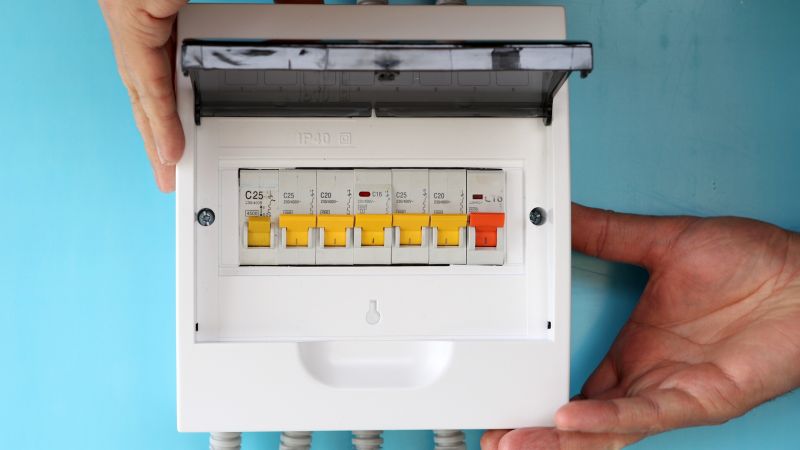
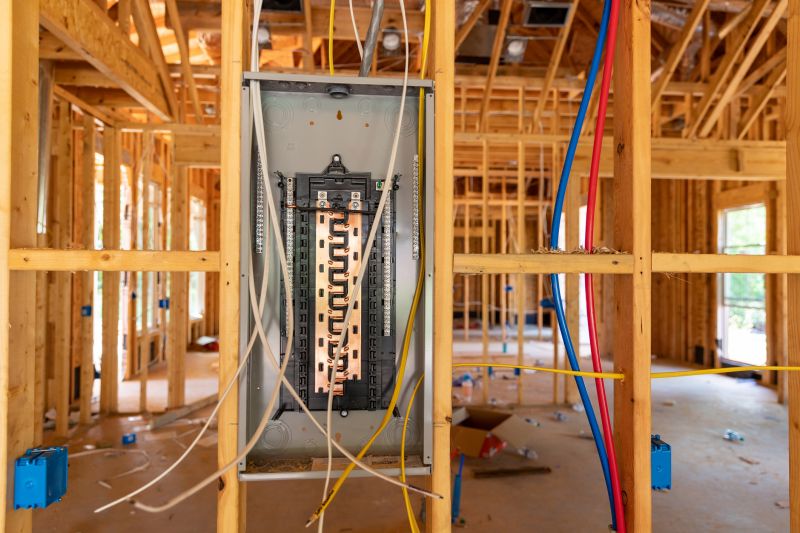
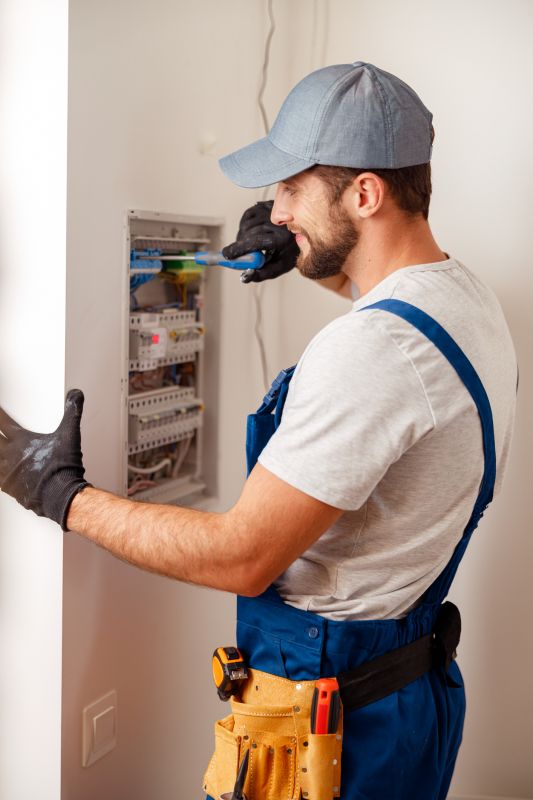
Electrical panel replacement services involve upgrading or installing a new main electrical panel in a property. This process typically includes disconnecting the old panel, ensuring the existing wiring is compatible, and securely installing a new unit that meets current electrical standards. The goal is to provide a safer, more reliable power distribution system within the property, capable of handling modern electrical demands. Skilled service providers will handle all aspects of the replacement to ensure the work is performed correctly and efficiently.
This service helps address a variety of electrical problems, such as frequent circuit breaker trips, flickering lights, or the inability to support new appliances and technologies. An outdated or damaged electrical panel can also pose safety risks, including electrical fires or shock hazards. Replacing the panel can prevent these issues, improve overall electrical performance, and ensure the system complies with current safety codes. It is often recommended when the existing panel is aging, shows signs of damage, or cannot support the electrical load of the property.
Electrical panel replacement is commonly performed in residential properties, including single-family homes, townhouses, and condominiums. It is also frequently needed in commercial buildings, such as small offices or retail spaces, where electrical demands have increased over time. Properties that have experienced frequent power outages, have outdated panels, or are undergoing renovations often benefit from a panel upgrade. Service providers can assess the specific needs of each property to determine if a replacement is necessary to improve safety and electrical capacity.
Homeowners who notice signs like burning smells near the electrical panel, persistent breaker trips, or visible corrosion should consider having a professional evaluate their system. Additionally, properties that are expanding or adding new electrical loads, such as new appliances or HVAC systems, may require a panel upgrade to support increased demand. Contacting local contractors can help determine whether an electrical panel replacement is the right solution to ensure the electrical system remains safe, efficient, and capable of meeting the property’s needs.
The overview below groups typical Electrical Panel Replacement projects into broad ranges so you can see how smaller, mid-sized, and larger jobs often compare in your area.
In many markets, a large share of routine jobs stays in the lower and middle ranges, while only a smaller percentage of projects moves into the highest bands when the work is more complex or site conditions are harder than average.
Smaller Repairs - For minor electrical panel repairs or upgrades, local contractors typically charge between $250 and $600. Many routine jobs fall within this range, especially for straightforward fixes or component replacements.
Partial Replacement - Replacing a section of an electrical panel or upgrading components usually costs between $600 and $2,000. This is a common range for mid-sized projects that involve some wiring or component updates.
Full Panel Replacement - A complete replacement of an electrical panel generally ranges from $1,500 to $3,500. Larger, more complex projects can reach $4,000 or more, but most full replacements fall within this middle tier.
Major or Custom Installations - Extensive electrical upgrades or custom panel installations can exceed $5,000, especially when additional wiring or structural modifications are required. These projects are less common and tend to be on the higher end of the cost spectrum.
Actual totals will depend on details like access to the work area, the scope of the project, and the materials selected, so use these as general starting points rather than exact figures.
Breaker Panel Upgrades - Local contractors who replace electrical panels often handle breaker panel upgrades to improve safety and capacity for modern electrical demands.
Electrical Wiring Replacements - Replacing outdated or damaged wiring requires similar planning, tools, and skills as electrical panel replacement to ensure proper connections and safety.
Main Electrical Service Changes - Service upgrades or changes involve similar procedures and expertise in handling electrical systems and ensuring code compliance.
Subpanel Installations - Installing subpanels in different areas of a building involves comparable skills in wiring, planning, and panel setup as main electrical panel replacements.
Electrical System Inspections - Conducting comprehensive electrical inspections often requires knowledge of panel systems and the ability to identify issues related to electrical distribution.
Generator Connection and Installation - Connecting backup generators to existing electrical systems involves similar planning and electrical work as replacing and upgrading panels.
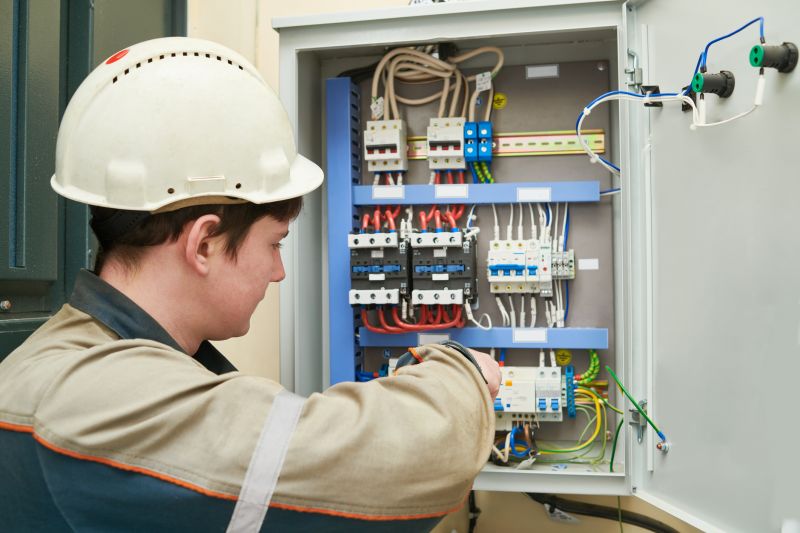
When comparing electrical panel replacement services, it’s important to consider the experience of local contractors with similar projects. Homeowners should look for service providers who have a track record of handling electrical panel upgrades or replacements comparable to the scope of their own needs. An experienced professional is more likely to be familiar with common challenges, local building codes, and best practices, which can contribute to a smoother process and a reliable outcome.
Clear, written expectations are essential when evaluating potential service providers. Homeowners should seek contractors who provide detailed descriptions of the work scope, materials, and any relevant procedures in their proposals or estimates. Transparent communication about what the project entails helps ensure everyone is on the same page and reduces the risk of misunderstandings or surprises during the job.
Reputable references and good communication are key indicators of a dependable electrical panel replacement service. Homeowners can ask local contractors for references from previous clients who had similar work done. Additionally, responsive and clear communication during the inquiry process can reveal how well a contractor understands the project and values customer input. While the site introduces homeowners to local options, it’s important to remember that the actual work is performed by independent service providers who can be evaluated based on these qualities.
Property owners use Electrical Panel Replacement services for practical projects around their homes and businesses. This guide focuses on everyday jobs and straightforward project options.
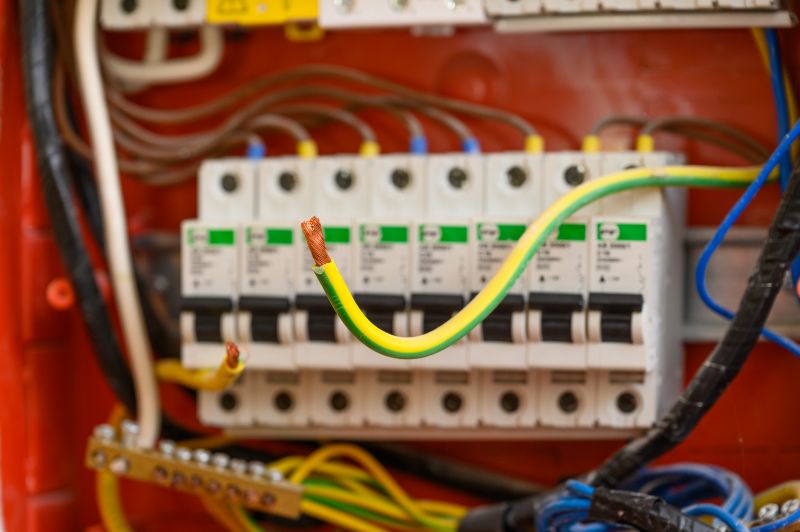
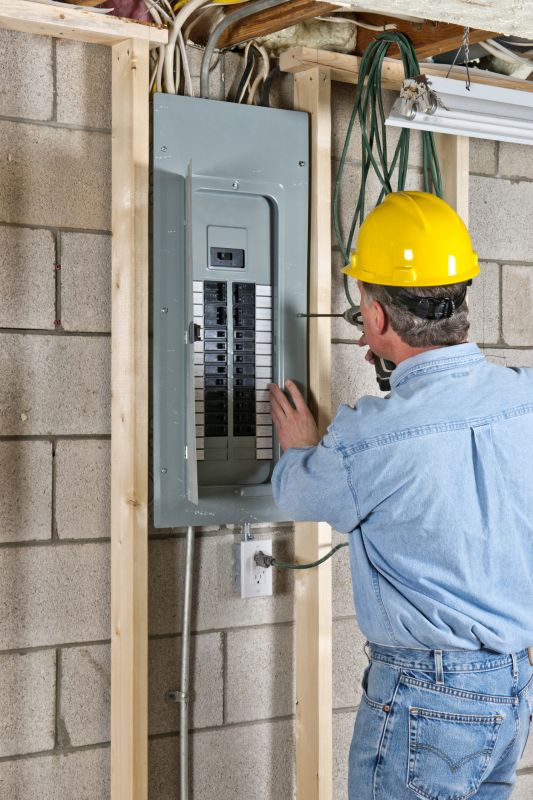
Electrical panel replacement services are often needed when property owners notice frequent circuit breaker trips, flickering lights, or if their existing panel is outdated and no longer meets the demands of modern electrical needs. Homeowners and business owners might also seek these services during major renovations, additions, or when upgrading appliances that require more power. Local contractors can assess the condition of the current panel and recommend a replacement to ensure electrical systems operate safely and efficiently.
In many cases, property owners look for electrical panel replacement when upgrading to a newer, more reliable system or when addressing signs of wear and tear such as rust, burning smells, or visible damage. These services are also essential when expanding electrical capacity to support new technology or increased device usage. Local service providers can handle these projects, helping property owners improve electrical safety and accommodate their evolving electrical requirements.
What are signs that an electrical panel needs replacement? Common indicators include frequent breaker trips, burning smells, buzzing sounds, or visible damage such as rust or scorching marks.
Why should I consider replacing my electrical panel? Upgrading an outdated or faulty panel can improve electrical safety, support increased power needs, and prevent potential electrical hazards.
How do local contractors determine if my electrical panel needs replacement? They typically inspect the panel for signs of wear, damage, or code violations, and assess whether it can safely handle your household's electrical demands.
What types of electrical panels are available for replacement? Service providers offer various options, including main breaker panels, subpanels, and panels with advanced safety features, suitable for different household requirements.
Is electrical panel replacement a complex process? Yes, it involves working with the home's electrical system and should be handled by experienced local contractors to ensure safety and compliance with electrical standards.
Upgrade Electrical Panels - Replacing an outdated electrical panel can improve safety and ensure the system can support modern appliances and devices in a home.
Prepare for Renovations - Electrical panel replacement can be part of a larger home renovation project to accommodate new wiring or expanded electrical needs.
Increase Electrical Capacity - Property owners planning to add new appliances or a home addition may need a new electrical panel to handle increased power demands.
Improve Safety and Reliability - Service providers can update old or damaged panels to reduce the risk of electrical issues and enhance overall system reliability.
If you are thinking about Electrical Panel Replacement for a property, this guide is meant to help you understand the work, the typical project types, and how different options might fit your plans.
When you are ready, you can use the quote form on this page to share a few details about your project. From there, local pros can review the basics and respond with options that match what you have in mind.